
What Is An Infrared Sauna?
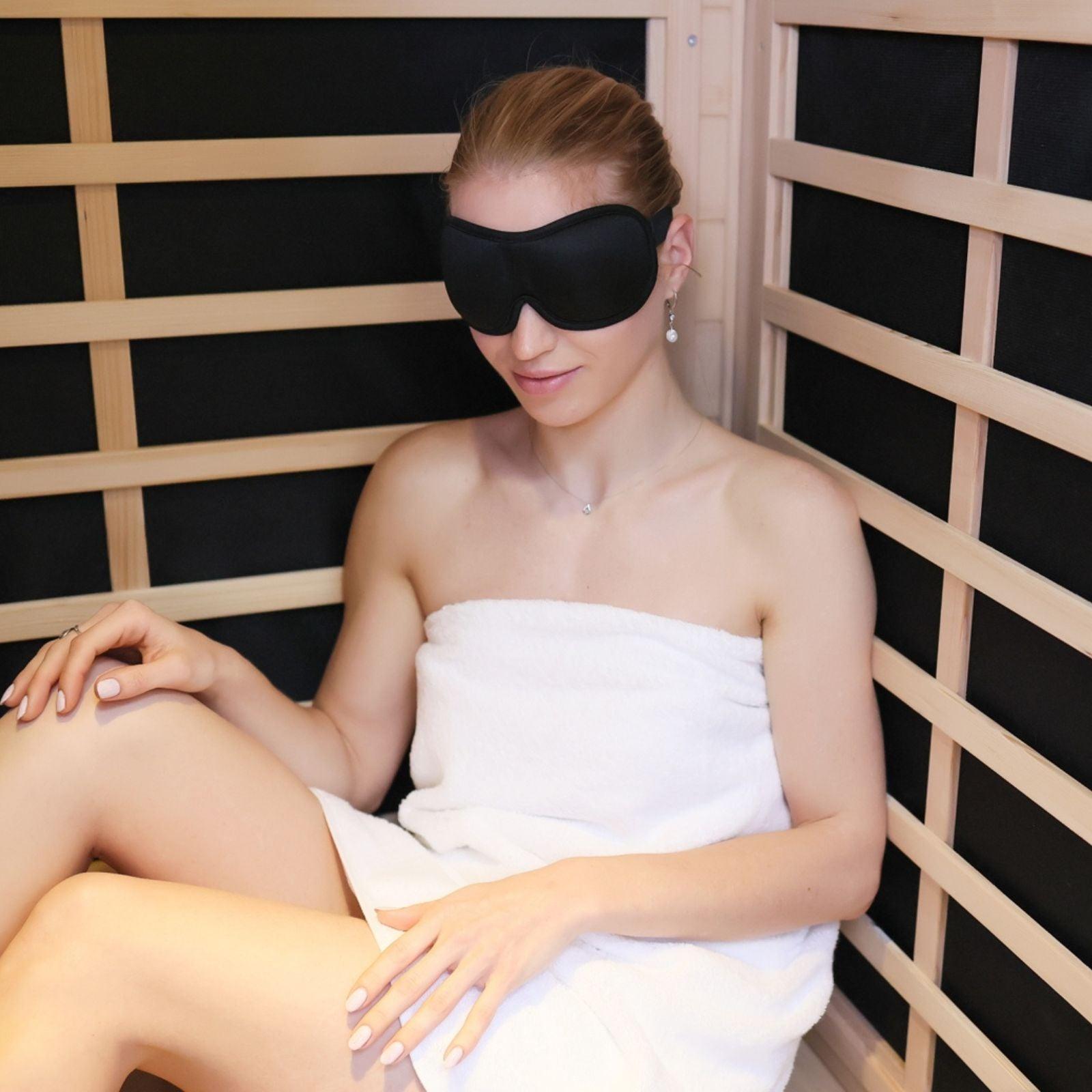
A simple explanation of the technology behind infrared saunas — and why it has become the preferred choice for at-home wellness.
After years of global disruption, more people than ever are paying closer attention to how they feel day to day.
Sleep, energy, stress, recovery — the small daily indicators that something is or isn't working.
Saunas have always been part of that conversation.
But for many people considering one for the first time, the question is less about whether saunas are good, and more about which kind of sauna is right for the way they actually live.

Traditional saunas have been around for centuries.
They heat the air with hot stones and steam, and the experience is unmistakable. But they are also time-consuming — typically requiring 30 to 90 minutes of preheating before each session — and the air can feel harsh to breathe.

Far-infrared saunas work very differently.
Instead of heating the air around you, they use a specific range of light to warm your body directly.
The result is a session that feels gentler, starts almost immediately, and uses a fraction of the energy.
What Is Far-Infrared Radiant Heat?
You have felt far-infrared heat before, even if you didn't know its name.
Stand outside on a partly cloudy day.
The air feels cool — and then the clouds shift, a wave of warmth crosses your skin, and the temperature hasn't actually changed. That warmth is far-infrared light from the sun reaching your body directly.
That is essentially what a far-infrared sauna recreates indoors.
Specialized panels emit a narrow band of light in the 4–14 μm range, which is the part of the infrared spectrum the human body absorbs most efficiently.
When that light reaches your body, the energy is converted into gentle, even warmth.
Blood vessels expand. Circulation improves.
The body begins to sweat.
Far-infrared light is the part of sunlight that warms your body — not the air around it. That single difference is the entire reason infrared saunas feel so different.


How An Infrared Sauna Works
The mechanics are simpler than most people expect.
Heat from the infrared panels warms your body directly.
That warmth activates three of the body's most important systems at once — the cardiovascular system, the immune system, and the lymphatic system.
Your body responds to that signal in the most natural way possible. It begins to sweat.
In a far-infrared sauna, the sweating happens at a noticeably lower air temperature than a traditional sauna — typically between 120°F and 140°F.
The experience is breathable, calm, and steady rather than overwhelming.
There is no need to wait for the room to preheat.
Most SalusHEAT infrared saunas are ready to use within about 20 minutes, which means a meaningful reduction in electricity use over time.
The most useful technology is often the one that asks the least of you — and the most of physics.

Is Infrared Safe?
It is a fair question. The short answer is yes — for most people, at typical exposure levels.
Far-infrared radiation is non-ionizing. That means it does not carry enough energy to damage cells the way X-rays or ultraviolet light can. The warmth you feel is genuine warmth, not a side effect of anything more aggressive.
SalusHEAT infrared panels are placed in the back wall and both side panels of the sauna, so infrared heat surrounds your body from multiple angles — a 360° warming effect rather than a single hot spot.
The operating temperature stays in a comfortable 120°F to 140°F range. Most sessions last between 15 and 30 minutes, after which the body has typically had enough.


Key Insight
Far-infrared heat operates in a narrow wavelength band — between 4 and 14 micrometers — which is the range the human body absorbs most efficiently.
This is why infrared saunas feel so different from traditional saunas. They warm the body directly, not the surrounding air, which means a comfortable session at a lower temperature.
For home use, that also means faster startup, less energy use, and a more breathable environment — especially for first-time sauna owners.
What Makes A Good Infrared Sauna?
A well-designed infrared sauna is one that fits the way you live at home.
The key factors are wood quality, interior size, and how the heating panels are arranged. A great overview of which wood is right for your home is in our guide to choosing sauna wood.
SalusHEAT offers a range of configurations — from compact 1-person saunas to family-sized 4-person models — designed to fit standard household outlets and the realities of a real home.
Whatever the size, the design goal is the same: a private, comfortable space you will actually use, week after week.

View Ample-901PH 1–2 Person Sauna →


View Garner-904VS 4-Person Outdoor Sauna →
The Benefits People Most Often Report
The most common reasons people use an infrared sauna consistently tend to cluster in a few areas.
- support for recovery after physical or mental exertion
- improved circulation and a noticeable warming effect on the body
- a calming, low-stimulation environment that supports sleep
- support for skin health over the long term
- relief from everyday muscle and joint stiffness
- a quiet, screen-free space that encourages true rest
A single session is rarely the point. The benefits that matter most tend to show up after weeks of consistent use — which is the same reason a comfortable, accessible home sauna tends to outperform an elaborate one that sits unused.
What if the most advanced technology in your home is the one that simply helps you slow down?
The Bottom Line
Far-infrared radiant heat is one of the most well-understood wellness technologies available.
The physics is straightforward, the experience is gentle, and the long-term value is real.
For most people, the practical question is not whether infrared saunas work.
It is whether they will actually use one — and that is a question of placement, comfort, and routine.
A well-built, well-placed infrared sauna tends to be used. A complicated one tends not to be.
The best wellness technology is the kind that disappears into your daily life — and is still there years later.
Frequently Asked Questions
What is far-infrared radiant heat?
Far-infrared radiant heat is a specific range of infrared light — between 4 and 14 micrometers — that the human body absorbs efficiently.
It warms the body directly rather than heating the surrounding air.
How is an infrared sauna different from a traditional sauna?
A traditional sauna heats the air with hot stones and steam, often above 180°F.
An infrared sauna warms the body directly with infrared panels, typically operating at a much more comfortable 120–140°F.
Is infrared heat safe?
Far-infrared radiation is non-ionizing, meaning it does not carry enough energy to damage cells the way X-rays or UV light can.
At typical exposure levels it is considered safe for most people.
How long does an infrared sauna take to heat up?
Most SalusHEAT infrared saunas reach a comfortable operating temperature in about 20 minutes, with no preheating required. This is a significant advantage over traditional saunas, which can take 30 to 90 minutes to be ready.
How often should you use an infrared sauna?
Most regular users find 2 to 4 sessions per week, lasting 15 to 30 minutes each, is a sustainable rhythm.
As with any wellness practice, consistency over time tends to matter more than any single session.
Explore SalusHEAT Infrared Saunas
For those looking to bring infrared heat into a home routine, SalusHEAT offers a range of 1-person, 2-person, and 4-person models in Hemlock and Basswood.
Each sauna is built around ultra-low EMF engineering, full-spectrum infrared heating, and a standard household outlet — designed to be used, not admired from across the room.
